Start Here with
Biological Age Testing
The field of biological age testing is exciting, confusing, and full of overpromise. This step-by-step framework walks you through the fundamentals — what the science actually says, what tests measure, and what questions to ask before spending money.

Understand what biological age means
Biological age is an estimate of how old your body appears based on molecular, cellular, or physiological markers — as opposed to your chronological age (years since birth). It is not a diagnosis.
Learn what drives aging
The Hallmarks of Aging framework identifies 12 biological processes — from DNA damage to chronic inflammation — that drive aging at the cellular level. Understanding them helps you evaluate what any given test is actually measuring.
Learn how aging clocks work
Aging clocks are statistical models trained on biomarker data. They differ in what they measure (DNA methylation, proteins, blood biomarkers), what they predict (chronological age vs mortality risk), and how well they have been validated.
Know the limitations
A single "biological age" number hides enormous complexity. Different organs age at different rates, measurement uncertainty is rarely reported, and many commercial claims outpace the evidence. We rate everything by evidence tier.
Compare tests side-by-side
We catalog every major direct-to-consumer biological age test with pricing, sample type, turnaround, evidence tier, and honest assessments of what each test can and cannot tell you.
Browse Comparison Tables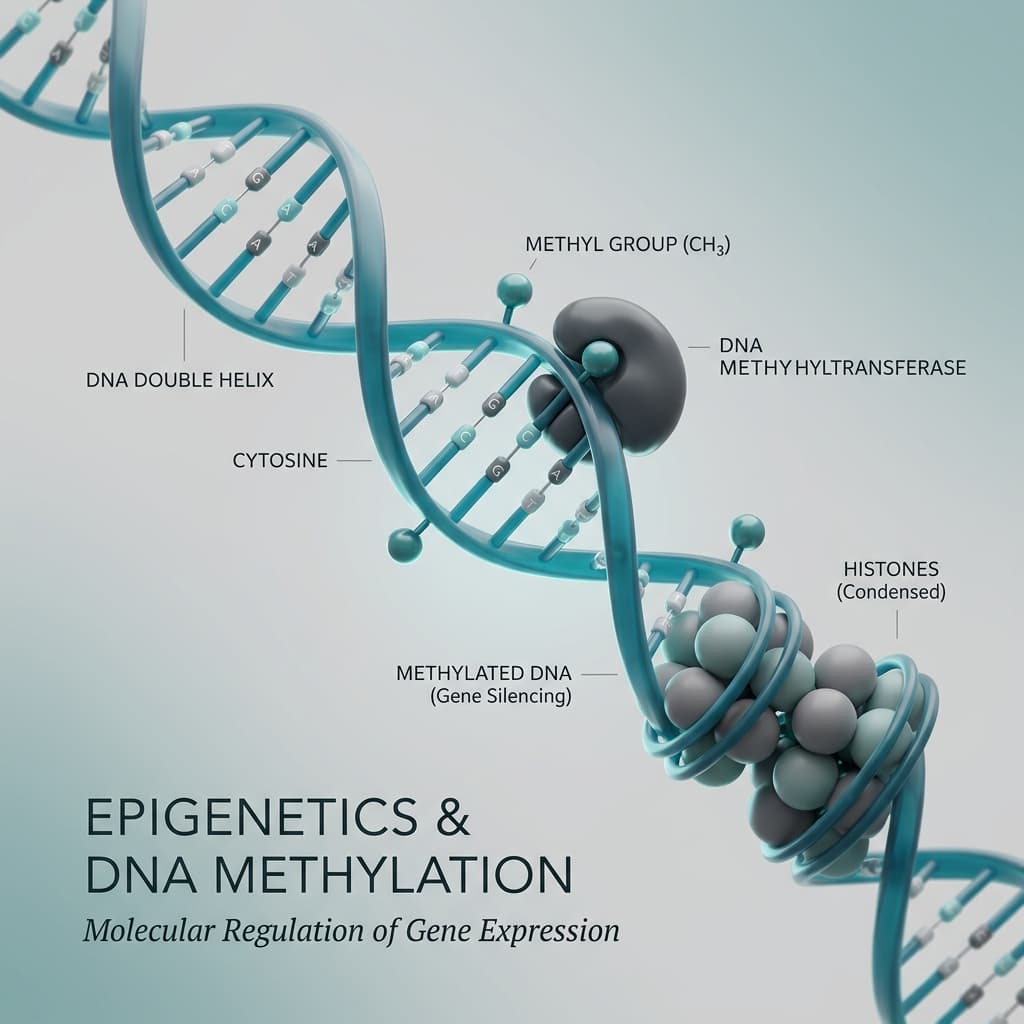
Understand what you can actually do
Some interventions have strong evidence for health or physical function. Experimental drugs such as metformin and rapamycin have not established human longevity benefit. We distinguish clinical outcomes from aging-clock changes.
Ready to begin?
Compare biological age tests side by side: what each one measures, the evidence behind it, and what it costs.