Scientific voices in biological aging

Aging science moves fast, and a few researchers are worth following closely. Pick a question you are curious about and meet the people whose work helps answer it. We also note the commercial ties we found, so you know where they stand.

A short story of the aging clocks

From DNA clocks to many ways of measuring age

Each step asked a different question. That is one reason clocks can disagree.

  1. 2013A DNA clock that works across most tissuesHow old do these cells seem?Meet Steve Horvath
  2. 2018PhenoAge: a DNA clock trained on health markersCan a clock reflect health, not just years?Meet Morgan Levine
  3. 2022DunedinPACE: a DNA estimate of aging paceHow fast is the body aging lately?Meet Daniel Belsky
  4. 2022Making DNA clocks more repeatableWould the same sample score the same twice?Meet Albert Higgins-Chen
  5. 2023Organ-by-organ age estimates from blood proteinsCan one organ seem older than others?Meet Tony Wyss-Coray

How fast am I aging?

Aging clocks read chemical tags on DNA, usually from a blood sample, to estimate biological age or how fast you are aging. Meet three of the people who built them.

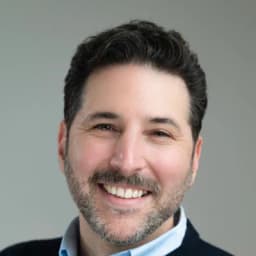
Portrait of Daniel Belsky

Daniel Belsky

Associate Professor of Epidemiology, Columbia University

Measures how fast, not how old

Known for

Co-created DunedinPACE, a blood test for pace of aging (2022)

Why follow

He treats aging like a speedometer, asking how fast someone is aging right now, not just how old their body seems. His team tests whether that pace shifts with life circumstances and in trials, such as two years of calorie restriction.

Commercial ties

Receives royalties from TruDiagnostic, whose tests report the DunedinPACE clock he co-invented; FraminghamPACE, a newer clock he co-invented, is also licensed to the company (patent pending). Advises longevity companies Hundred Health, WNDR HLTH and Hooke.

Source (opens in a new tab)
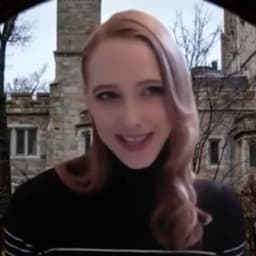
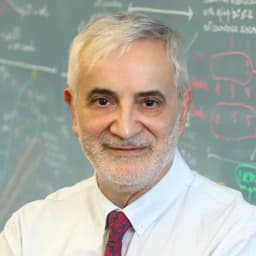
Portrait of Steve Horvath

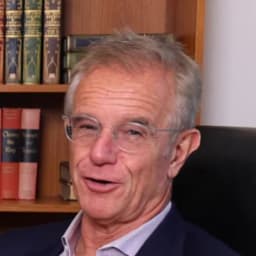
Steve Horvath

Professor, David Geffen School of Medicine at UCLA

Turned DNA tags into aging clocks

Known for

Pan-tissue epigenetic clock (2013), estimating age across most human tissues

Why follow

His DNA-based clocks, from his 2013 original to GrimAge, helped launch the science of estimating biological age, and his team built a clock that works across mammals. He also stresses that a clock is one window on aging, not the whole picture.

Commercial ties

Co-founder, scientific advisory board chair and paid consultant of the non-profit Clock Foundation, which licenses clock patents he co-invented and sells GrimAge tests; worked at Altos Labs until 2026.

Source (opens in a new tab)
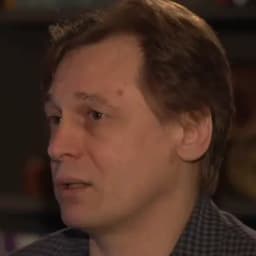
Portrait of Morgan Levine

Morgan Levine

Aging researcher; founding principal investigator at Altos Labs, 2022–2026

Builds clocks that track health, not birthdays

Known for

Lead developer of PhenoAge, a DNA clock linked to health outcomes (2018)

Why follow

She explains what biological-age numbers mean, in talks and her 2022 book True Age. Her later work, Systems Age, estimates how different body systems, like heart and brain, are aging from one blood sample.

Commercial ties

Co-inventor on clock patent applications, including Systems Age, which TruDiagnostic licenses and offers as SYMPHONYAge. A 2022 paper disclosed clocks she co-built are licensed via Yale to Elysium Health (Index test); she advised Elysium 2019–2021.

Source (opens in a new tab)
All questions

Can I trust the number?

Different clocks can give different answers, and even the same sample can score differently twice. These researchers test which numbers hold up, and why.

Albert Higgins-Chen

Assistant Professor of Psychiatry and Pathology, Yale School of Medicine

Tests whether aging clocks give steady answers

Known for

Led the 2022 study that cut measurement noise in epigenetic clocks

Why follow

He checks whether aging clocks give the same answer twice, and how they respond in diet, drug and exercise studies. Following him helps you see when a change in a clock score may be real and when it may be noise.

Commercial ties

Has disclosed consulting fees from TruDiagnostic and FOXO Biosciences (latest 2026); co-invented the Systems Age clock, which TruDiagnostic licenses and offers as SYMPHONYAge; other clocks he co-built have been licensed to Elysium Health.

Source (opens in a new tab)

Riccardo Marioni

Professor of Molecular Epidemiology of Ageing, University of Edinburgh

Puts aging clocks to the test at scale

Known for

Co-led a test of 14 aging clocks against 174 diseases (2025)

Why follow

He uses large Scottish population studies to test which DNA-based aging measures actually track future disease. His team also builds EpiScores, DNA-based stand-ins for blood proteins, and links them to later illness.

Commercial ties

Scientific advisor to the non-profit Clock Foundation, which sells GrimAge tests; has received consultancy fees from Optima Partners, a data-science firm.

Source (opens in a new tab)

Andrew Teschendorff

Group Leader, Shanghai Institute of Nutrition and Health, Chinese Academy of Sciences

Asks what aging clocks are really counting

Known for

Estimated how much clock accuracy may come from random drift (2024)

Why follow

He studies what drives clock readings: random molecular drift, shifts in blood cell mix, or biological aging itself. Following him helps you read any clock result with sharper questions.

Commercial ties

Listed on TruDiagnostic's scientific advisory board; co-inventor on two TruDiagnostic patent applications (2021 and 2023) for estimating the mix of cell types in saliva and blood from DNA; papers disclosed consulting for the company in 2023 and 2025.

Source (opens in a new tab)
All questions

What does aging look like inside the body?

Aging is not one process. It unfolds over decades of a life, across organs, and even from one cell to the next.

Portrait of Luigi Ferrucci

Luigi Ferrucci

Scientific Director, National Institute on Aging (NIH)

Tracks how real people age, decade by decade

Known for

Long-time leader of the Baltimore Longitudinal Study of Aging

Why follow

He asks why some people stay strong and sharp into old age while others grow frail, using repeat check-ups of the same volunteers over many years. He was also senior author of a 2024 consortium paper on how biological-age measures should be validated.

Commercial ties

Federal NIH scientist; co-inventor on a granted government patent for experimental senolytic compounds and a PhenoAge patent application. No company roles found.

Source (opens in a new tab)

Csaba Kerepesi

Senior Research Fellow, HUN-REN SZTAKI, Budapest

Measures aging cell by cell, even in embryos

Known for

Co-developed scAge, which estimates epigenetic age in single cells (2021)

Why follow

He develops AI clocks that estimate age from single cells, brain cell types and even face photos. Follow him to see how age estimates differ from cell to cell, and how mouse embryos seem to reset the clock early on.

Commercial ties

Named on a 2021 hospital-owned patent application for a single-cell clock method; no company roles found.

Source (opens in a new tab)
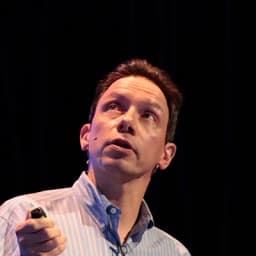
Portrait of Tony Wyss-Coray

Tony Wyss-Coray

D.H. Chen Distinguished Professor of Neurology, Stanford University

Estimates each organ's age from blood proteins

Known for

Blood-protein clocks estimating the age of 11 organs (Nature, 2023)

Why follow

His lab reported that organs within one person can age at different rates, and that older-looking organs were linked to higher disease and death risk in large studies. Follow him to see how aging research is moving from one overall age to organ-by-organ estimates.

Commercial ties

Co-founder, shareholder and advisor of Vero Bioscience, which is developing a consumer organ-age blood test on his lab's Stanford-licensed technology, and of Teal Rise (aging-clock analytics). Co-founded Alkahest (a Grifols subsidiary) and sits on its board.

Source (opens in a new tab)
All questions

Why do we age at all?

Before you measure aging, it helps to ask what it is. These scientists study the biology that clocks try to capture.

Portrait of David Gems

David Gems

Professor of Biogerontology, University College London

Asks why bodies break down with age

Known for

Co-wrote a 2021 critique of the hallmarks of aging framework

Why follow

Using short-lived worms, he tests big ideas about why aging happens, including the view that some aging comes from biological programs running on past their usefulness. He also writes plainly about where anti-aging optimism has run ahead of the science.

Commercial ties

No commercial ties found.

Portrait of Linda Partridge

Linda Partridge

Weldon Professor of Biometry, University College London

Asks fruit flies why we age

Known for

Co-authored the Hallmarks of Aging framework (2013, updated 2023)

Why follow

An evolutionary biologist, she explains why animals age and why healthy years lag behind lifespan. Her team has tested drugs such as rapamycin in flies and mice; a 2025 mouse study found adding trametinib extended lifespan further.

Commercial ties

No commercial ties found; a 2026 disclosure form she signed lists no company roles, patents or consultancies.

Source (opens in a new tab)
All questions

Can aging be slowed or reversed?

Lab experiments can slow aging in animals. Showing the same in people is much harder, and remains unproven.

Portrait of Vadim Gladyshev

Vadim Gladyshev

Professor of Medicine, Harvard Medical School and Brigham and Women's Hospital

Measures aging, and asks if it can rewind

Known for

His lab reported a "ground zero" age dip in mouse embryos (2021)

Why follow

He studies aging across species, from long-lived mole-rats to embryos whose epigenetic age appears to drop before rising again. He also sits on the steering committee of the Biomarkers of Aging Consortium, which works on how aging measures should be tested.

Commercial ties

Long-time research partner of Insilico Medicine (AI drug discovery) and executive chair of its 2026 ARDD conference. Advises Thorne (supplements and a biological-age test) and Dior's skincare science board; listed as an advisor by Retro Biosciences (aging therapies) and Deep Longevity (aging-clock tests). Co-inventor on aging-measurement patent applications.

Source (opens in a new tab)
Portrait of Eric Verdin

Eric Verdin

President and CEO, Buck Institute for Research on Aging

Links metabolism, immunity and aging

Known for

His lab built IntrinClock, a clock resistant to immune-cell shifts (2024)

Why follow

He studies how metabolism and the immune system shape aging, from NAD to ketone bodies. He also asks what blood-based clocks really measure, since part of their signal tracks the changing mix of immune cells.

Commercial ties

Co-founder of ketone firms BHB and Selah Therapeutics (a 2025 paper disclosed stock) and of Circulate Health (plasma exchange); listed as an advisor by Vero Bioscience (organ-age test). Co-inventor on epigenetic-clock patent applications.

Source (opens in a new tab)
All questions

About the commercial ties

Ties come from the researchers' published disclosures, company websites and patent records, last checked October 2026. A tie describes a relationship, not the quality of someone's science. Spot an error? Tell us.

All sources for the commercial ties

Photos: Daniel Belsky: Veroi Zekar (CC0), cropped; Steve Horvath: Joe Bio (CC BY-SA 4.0), cropped; Morgan Levine: eLife video (CC BY 3.0), cropped; Luigi Ferrucci: NIH / Chia-Chi Charlie Chang (public domain), cropped; Tony Wyss-Coray: World Economic Forum video (CC BY 3.0), cropped; David Gems: HealesMovies video (CC BY 3.0), cropped; Linda Partridge: Bengt Oberger (CC BY-SA 4.0), cropped; Vadim Gladyshev: 1MEDTV video (CC BY 3.0), cropped; Eric Verdin: Raif Derrazi video (CC BY 3.0), cropped.